Dar Kawa, the house that shaped 30 years of textile
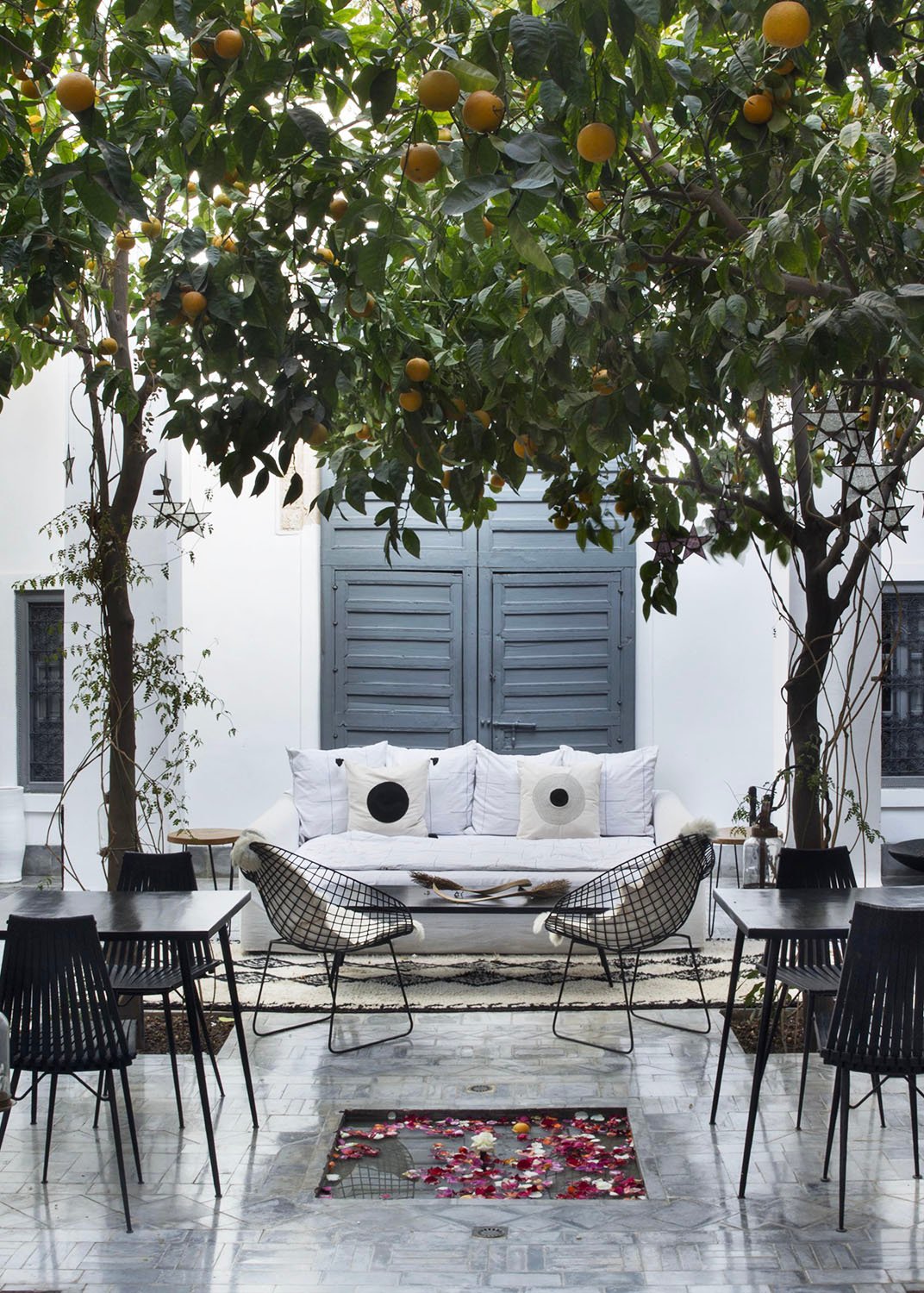
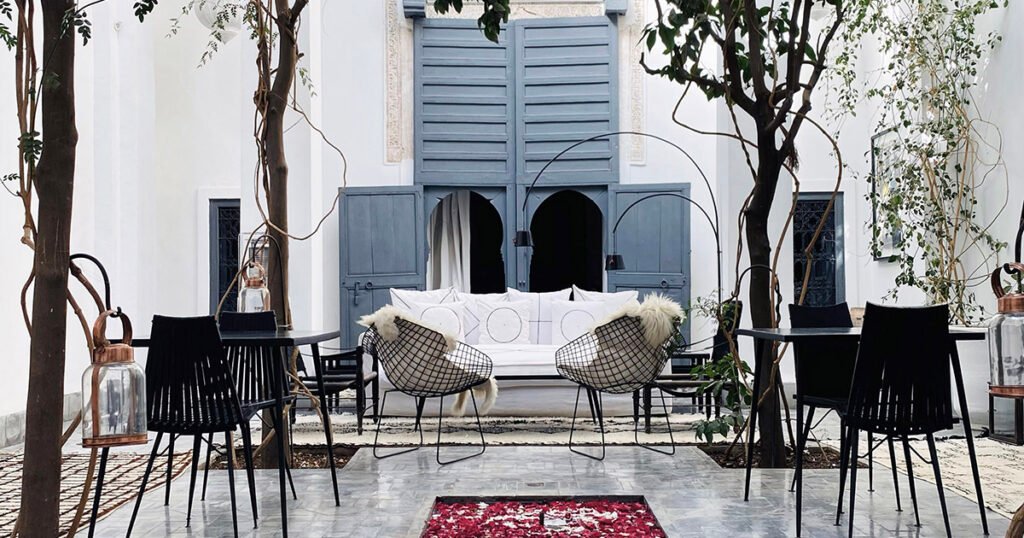
Valérie Barkowski’s riad in Marrakech
“You buy a house. You don’t always choose the place it will take in a life.“
When Valérie Barkowski discovered Dar Kawa in 1996, she was simply looking for a vacation home in Marrakech. Nothing suggested that this riad would become the longest project of her life. She did not yet know that she would settle in Morocco, that she would develop her work there, that she would welcome travelers and accompany the major stages of her journey.
At first, Dar Kawa was a restoration project for an old riad in the Marrakech medina. Then the riad became a living space, a meeting place with artisans and a house open to travelers.
The pages that follow tell how Dar Kawa became her companion.
Dar Kawa, a house at the heart of Valérie Barkowski’s work
The riad evolved with the rhythm of restorations, seasons, objects, textiles, and people who participated in its story. During the same period, Valérie Barkowski’s work developed, her travels multiplied, and new projects came to life.
Dar Kawa remained the place where all these experiences come together. Objects enter naturally, some settle in, others leave. The textiles are used daily, observed and adjusted when necessary. The house evolves with the years, at the same rhythm as Valérie Barkowski’s life and work.
It is here that the different facets of her work converge. The experiences gained elsewhere find an extension there, ideas are confronted with the reality of use, and intuitions are tested against daily life. This also explains the very particular place that Dar Kawa has occupied in Valérie Barkowski’s work for nearly thirty years.
Restoring and bringing to life a riad in the Marrakech medina
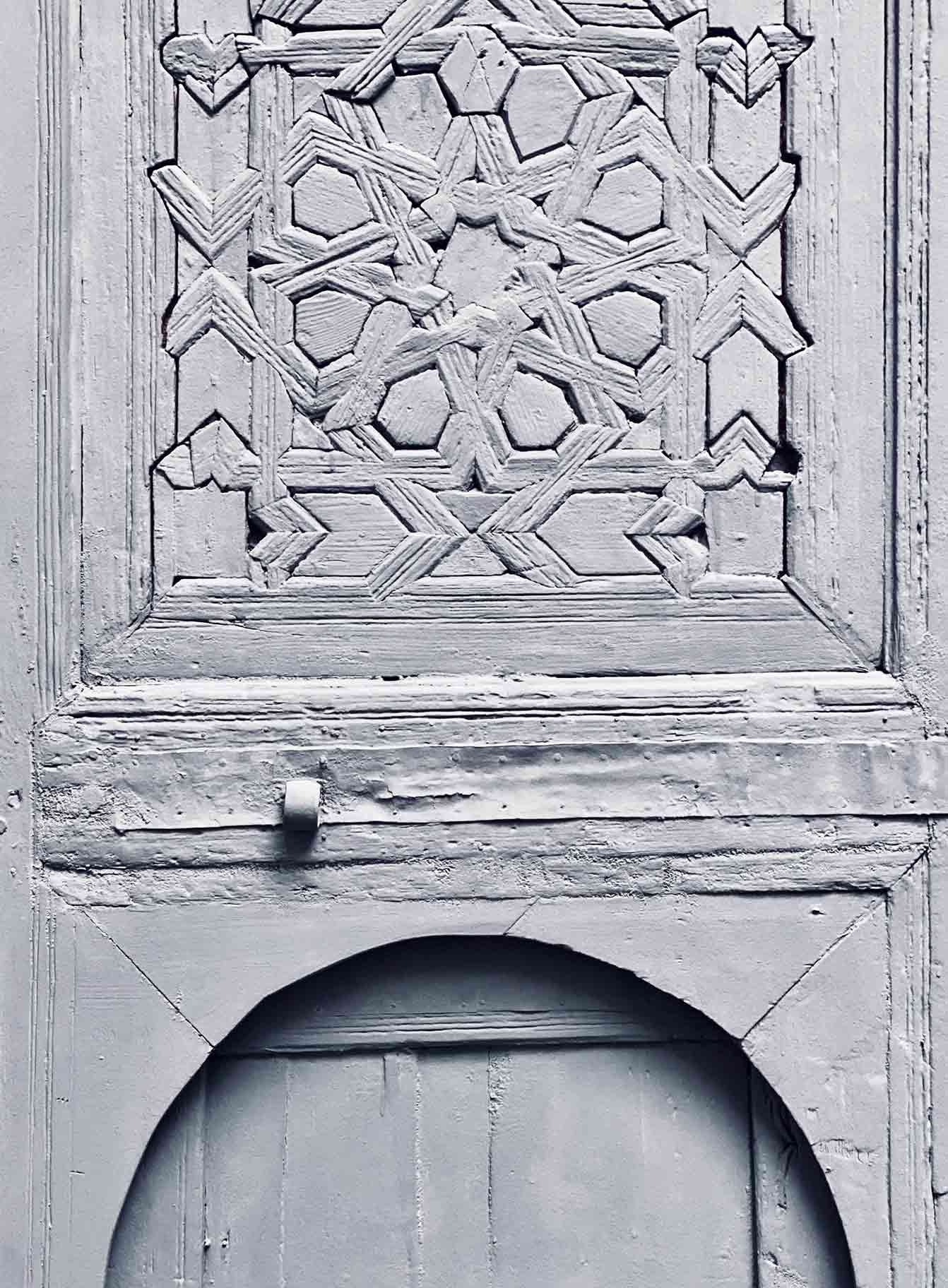
The restoration of Dar Kawa marked the beginning of an adventure that went far beyond the house. Working for three years with Quentin Wilbaux and the artisans allowed her to understand traditional materials, ancient techniques, and the time required for a restoration carried out with rigor. This experience continues to influence her way of collaborating with artisans, in Morocco and elsewhere.
Living in the house, then welcoming travelers, made it possible to understand what truly works in daily life, what needs to be adjusted, and what naturally finds its place. It is time that reveals the qualities of a house. It also shows what can only be observed over the course of days. The products are used at Dar Kawa under the same conditions as with their users. Use confirms certain choices, others call for some adjustments.
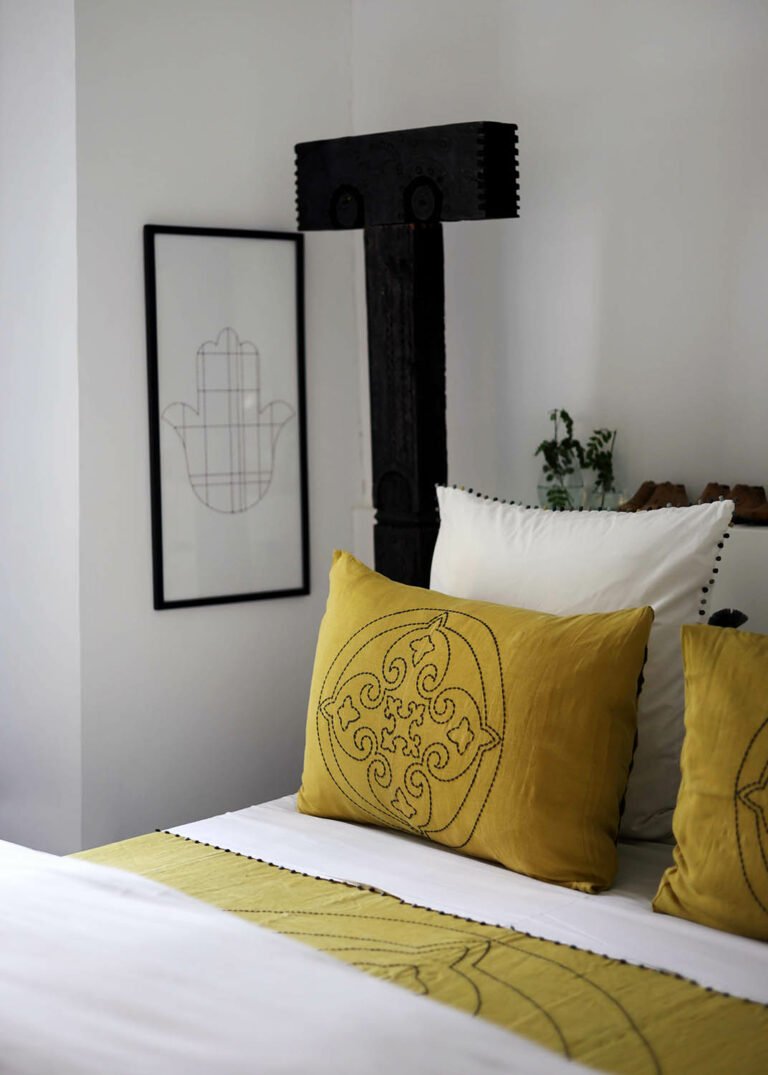
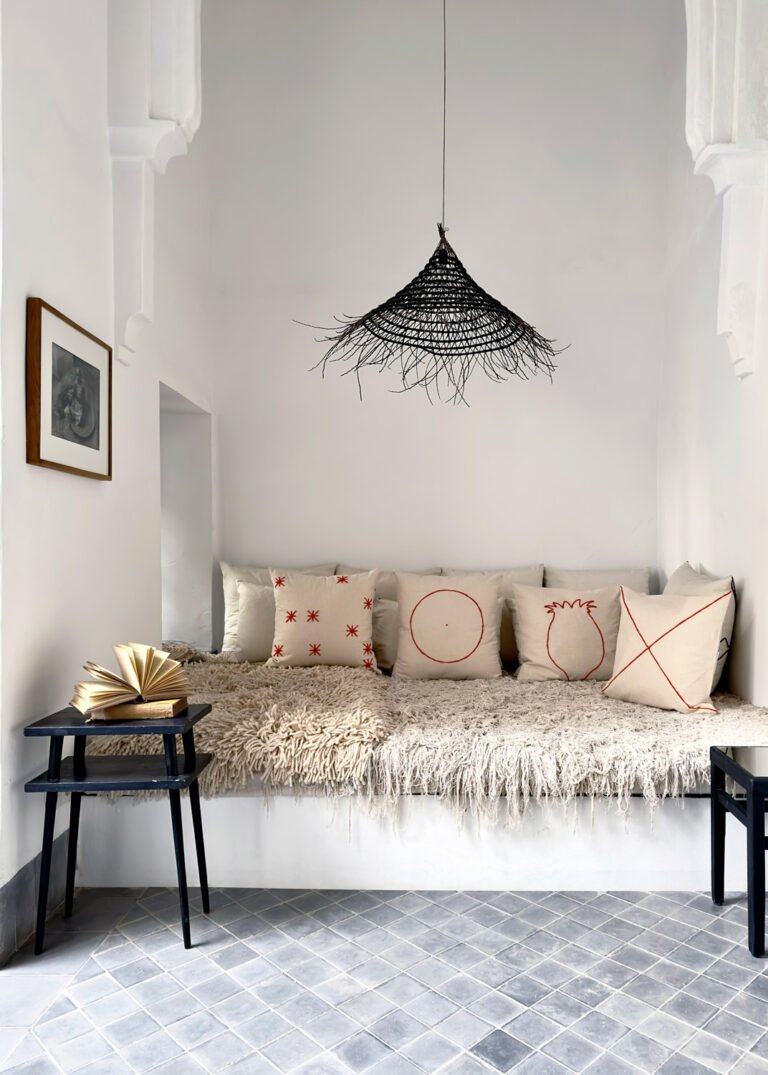
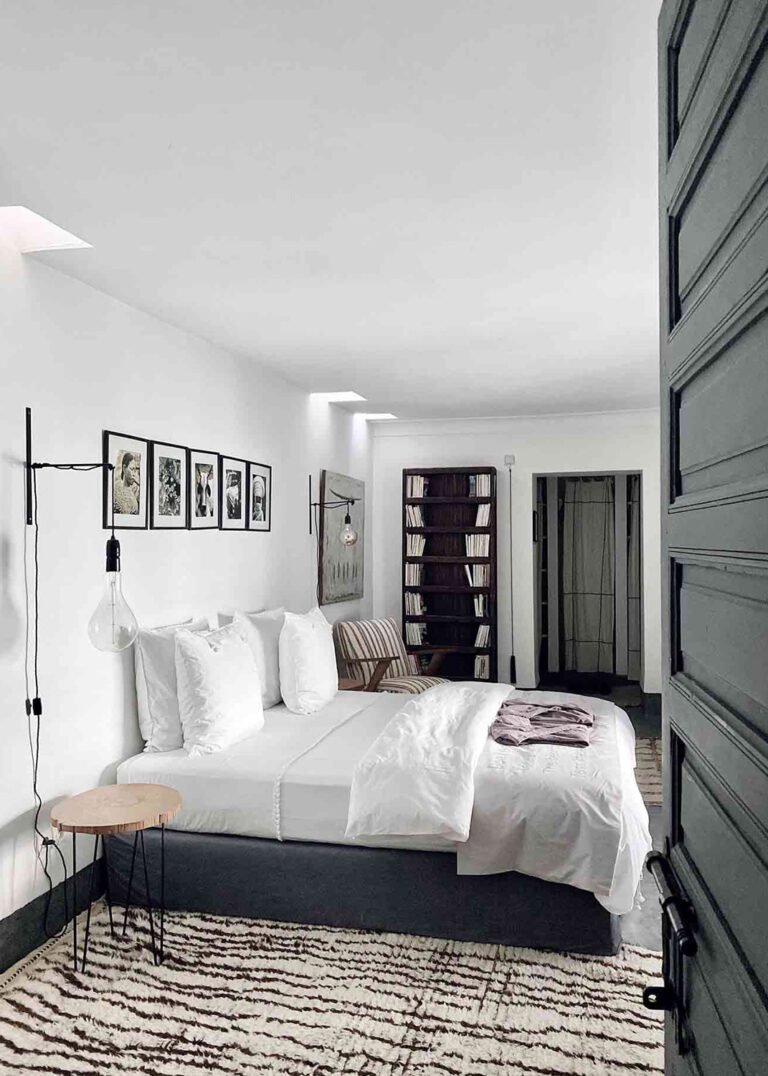
Marrakech has transformed, our story too
When Valérie Barkowski discovered Marrakech in 1996, the city was a true shock. She discovered a way of living, an architecture, craftsmanship, and an atmosphere that marked her deeply. It is also what led her to Dar Kawa.
Thirty years later, Marrakech has changed greatly. The city has developed, habits have evolved, and part of what she had discovered at the time has disappeared. Dar Kawa, however, continues to offer what she had come looking for from the very first visit.
Today, the connection with Marrakech passes first through Dar Kawa. It extends to the workshop, to the boutique, to the artisans and the teams who have accompanied her for many years. Together, they tell thirty years of history, creation, and collaboration. It is this continuity that gives Marrakech such a particular place in Valérie Barkowski’s work today.